


AOA PHYSICIANS
AOA Physician Directory
Use our physician finder to easily find a convenient physician with the orthopedic expertise you need.
- All Locations
- Arlington
- Dallas/DeSoto
- Irving
- Mansfield
- Midlothian
- Waxahachie
- All Specialties
- Ankle
- Elbow
- Foot
- Hand
- Hip
- Joint Replacement
- Knee
- Physical Medicine & Rehabilitation
- Shoulder
- Spine
- Sports Medicine
- Wrist
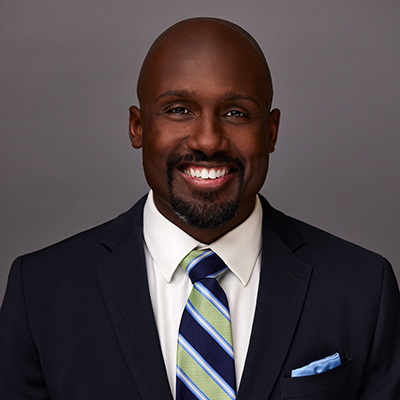
Cameron Atkinson, MD
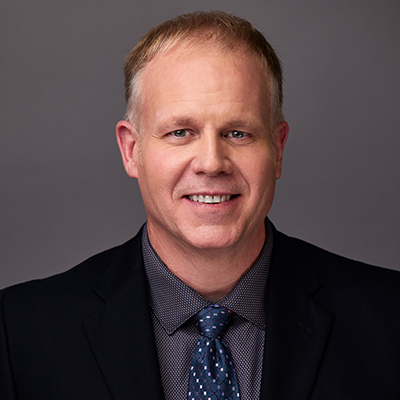
Clinton Bell, MD
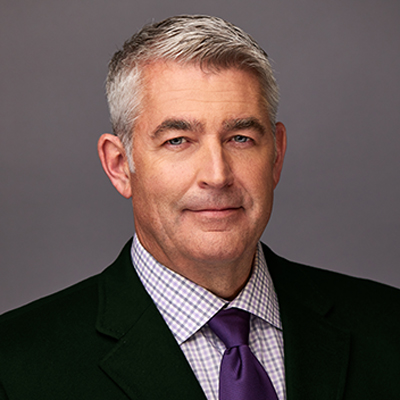
James W. Burnett, MD
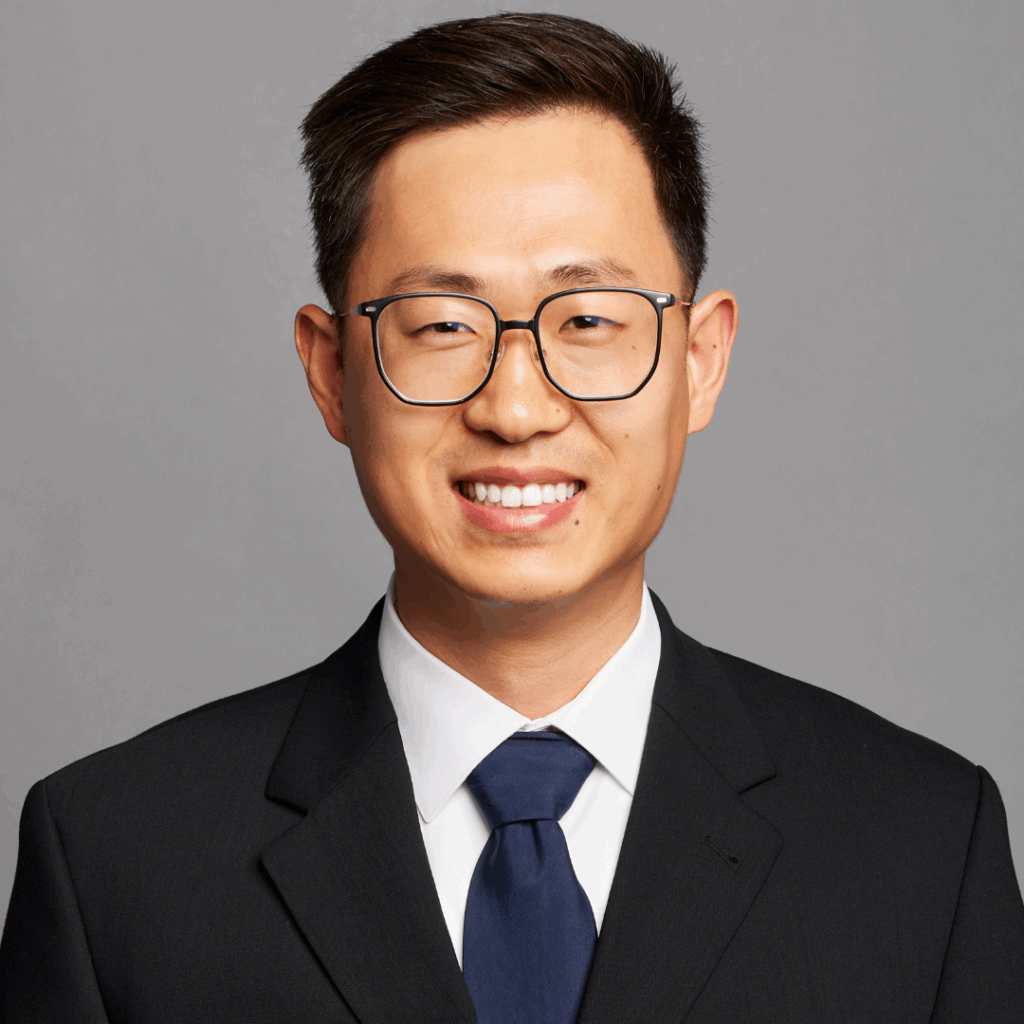
Timothy Choi, MD
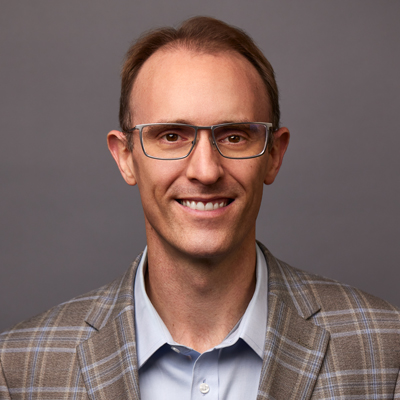
ADAM CRAWFORD, MD
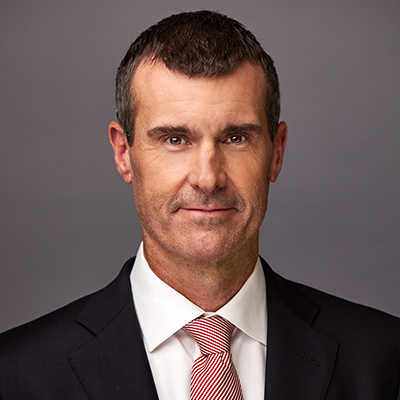
Todd Daniels, MD
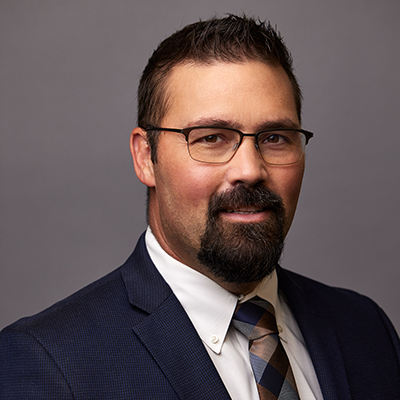
Thad Dean, DO
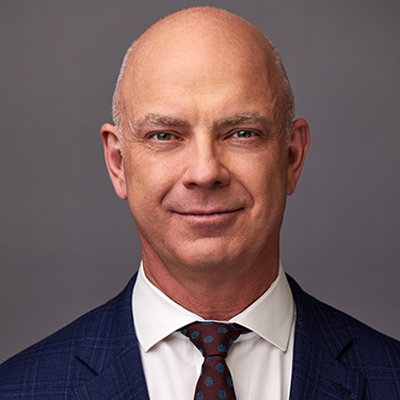
John A. Drkulec, MD
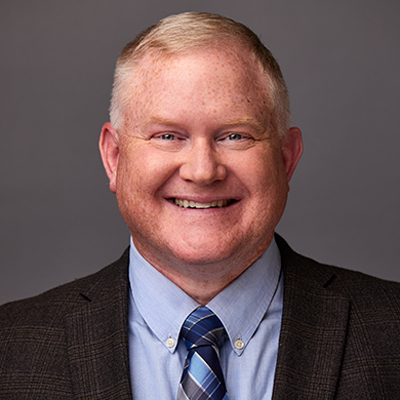
Troy Foster, DO
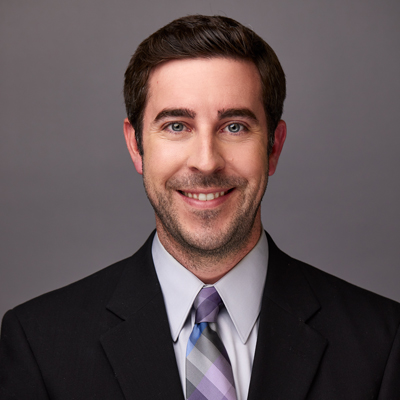
Andrew Freese, MD
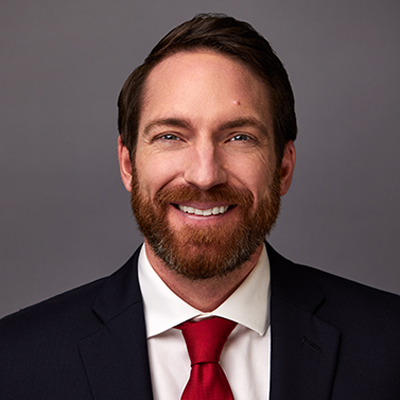
Chris Hopkins, MD
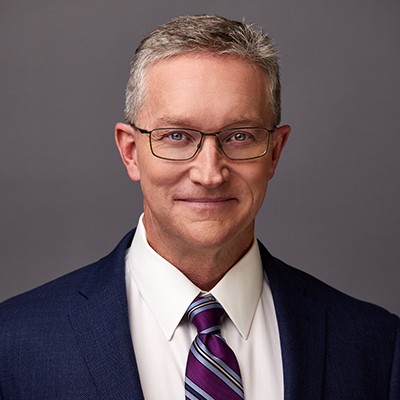
Joseph H. Kay Jr., MD
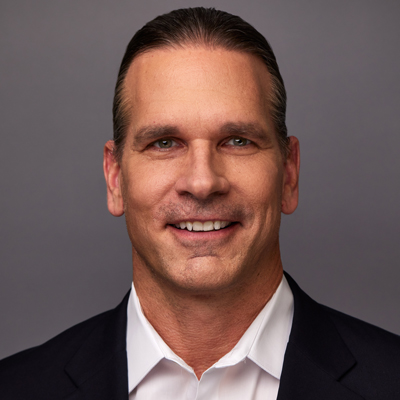
Mark Kazewych, MD
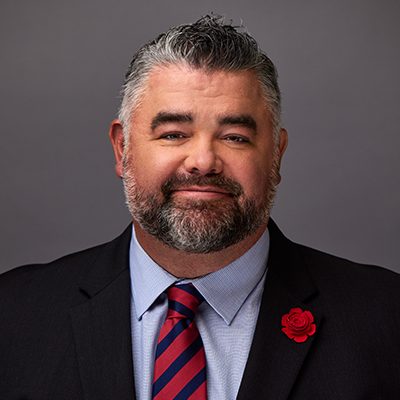
Jason K. Lowry, MD
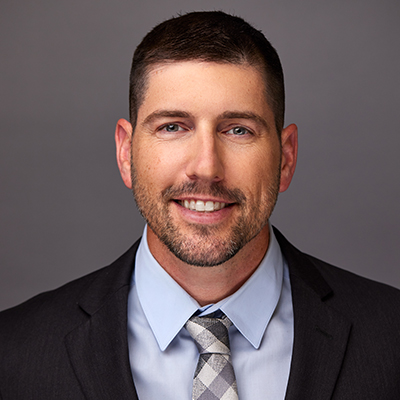
Josh McSpadden, DO
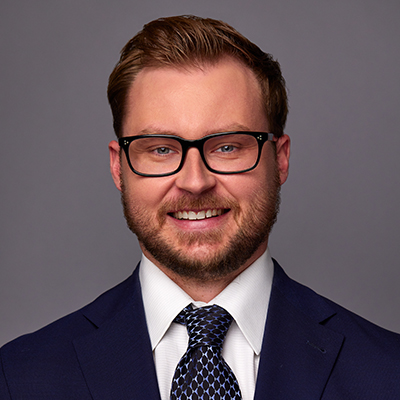
Ryan Murphy, MD
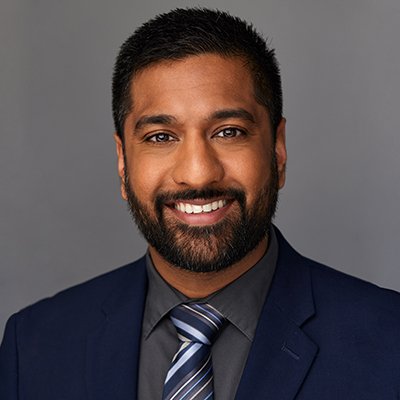
Shiv Patel, MD
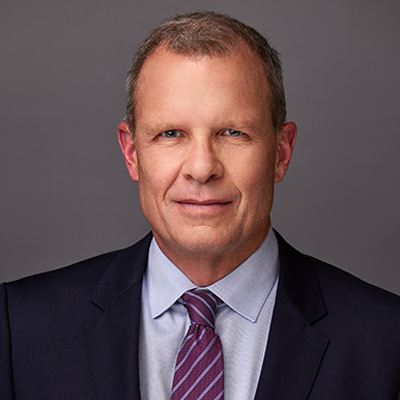
Jay Pond, MD
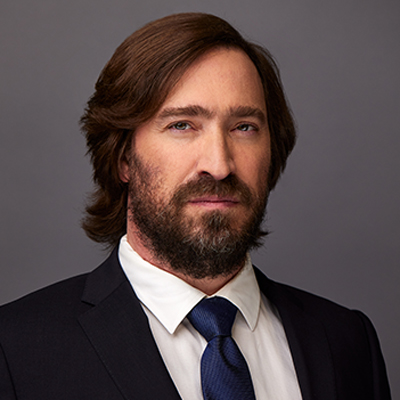
Jesus Rey II, MD
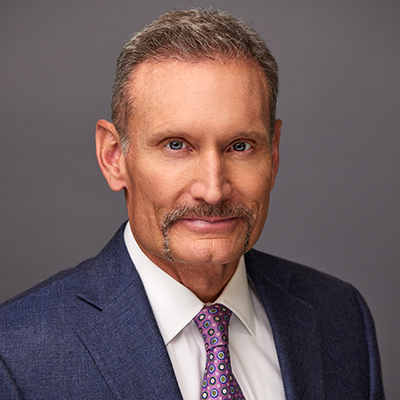
R. Mills Roberts, MD
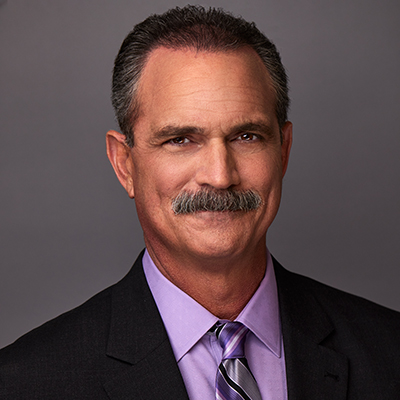
Frank Rodriguez, MD
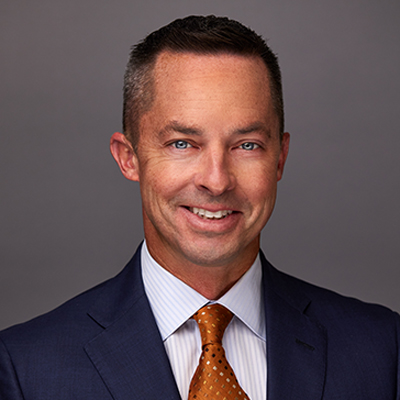
Marc Roux, MD
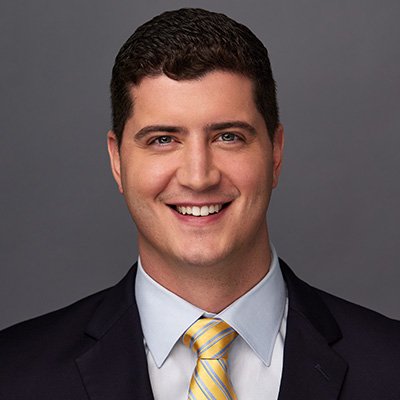
David-Alan Rubin, MD
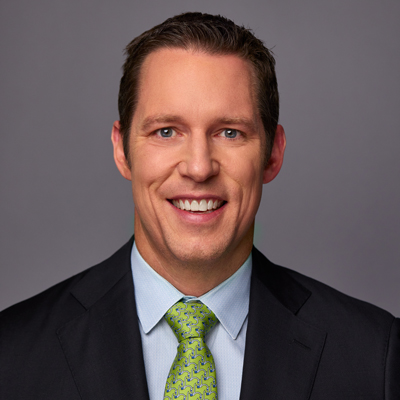
Donald Stewart, MD
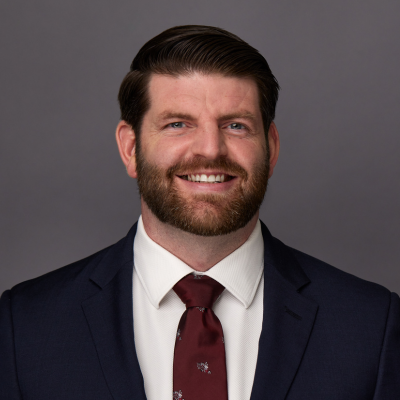
JONATHAN WALSH, MD
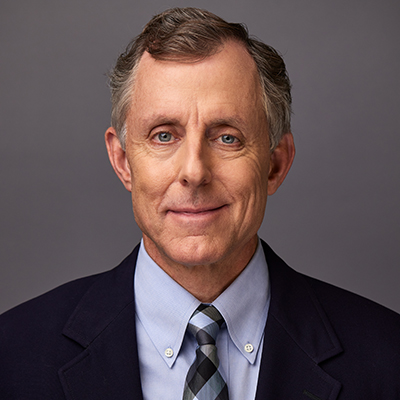
John G. Westkaemper, MD
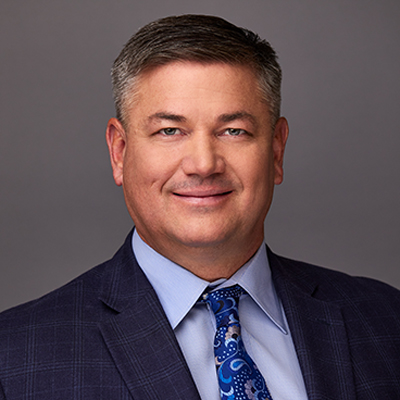
Eric Wieser, MD